There’s a rhythm to harvest season in Missouri. The corn starts to dry down, the mornings get that crisp edge, and farmers across Golden City, Lamar, and the surrounding communities start watching the sky and the calendar at the same time.
When the crop is ready, the window to get it out can feel painfully short. The last thing you need is a breakdown at 6 a.m. with a full day of cutting ahead of you.
At D’s Tire & Auto in Golden City, we understand the pressure. Our family-owned team has more than 30 years of experience helping customers keep their equipment, vehicles, and trailers dependable. Before you roll the combine or tractor out of the shed, take a few hours to work through this farm equipment repair checklist. It’s simple, practical insurance against a very expensive day of downtime.
1. Check Belts, Chains, and Bearings: Follow the Crop Flow
A good inspection starts at the front of the machine and follows the path of the crop through the equipment. This helps you inspect each major component in order instead of jumping from one area to another.
Look closely at:
- Drive belts for cracking, glazing, fraying, or uneven wear
- Belt tension and pulley alignment
- Feeder chains, gathering chains, and conveyor chains
- Broken links, worn slats, stretched chains, and damaged sprockets
- Bearings that feel rough, loose, noisy, or unusually warm
- Bearing housings and supports for cracks or loose hardware
Always shut the machine down completely before inspecting moving components. Remove the key, wait for everything to stop, and use the proper safety stand when working under a header or feeder house.
A belt that looks “almost worn out” or a chain with excessive stretch may not make it through harvest. Replacing questionable parts now is usually much easier than searching for a repair after a breakdown in the field.

2. Inspect Fluids, Filters, and Grease Fittings
Heavy dust, long hours, and high engine loads make clean fluids and filters especially important during Missouri harvest. Check every machine according to its owner’s manual and service schedule.
Your pre-harvest fluid and filter check should include:
- Engine oil level and condition
- Coolant level, hoses, radiator, and water pump area
- Hydraulic fluid level and signs of contamination
- Transmission and gearbox fluid
- Fuel filters and water separators
- Engine air filters
- Grease fittings on bearings, pivots, shafts, and other moving parts
Watch for milky hydraulic fluid, metal particles, dark or burnt-smelling oil, and leaks around hoses or connections. These signs may point to a problem that needs professional attention before the machine goes back to work.
Do not forget grain carts, augers, conveyors, and other support equipment. A well-maintained combine will not keep harvest moving if an auger gearbox or grain-handling component fails.
3. Check Tires, Tread, and Pressure
Tires support heavy equipment across uneven fields, gravel roads, and Missouri highways. Correct tire pressure helps with traction, stability, fuel efficiency, and safe handling.
Inspect each tire for:
- Cuts, punctures, bulges, and sidewall damage
- Stubble or debris lodged in the tread
- Exposed cords or severe tread wear
- Cracked valve stems
- Damaged wheels or rims
- Loose lug nuts
Set pressure according to the equipment manufacturer’s recommendations. The correct pressure for field work may differ from the recommended pressure for road travel, so check the operator’s manual rather than relying on a guess.
Pay special attention to grain carts, trailers, and road-going trucks. A tire problem on the way to the field can delay the entire operation: and a tire failure under a heavy load can create a serious safety concern.
4. Test the Battery, Wiring, and Lights
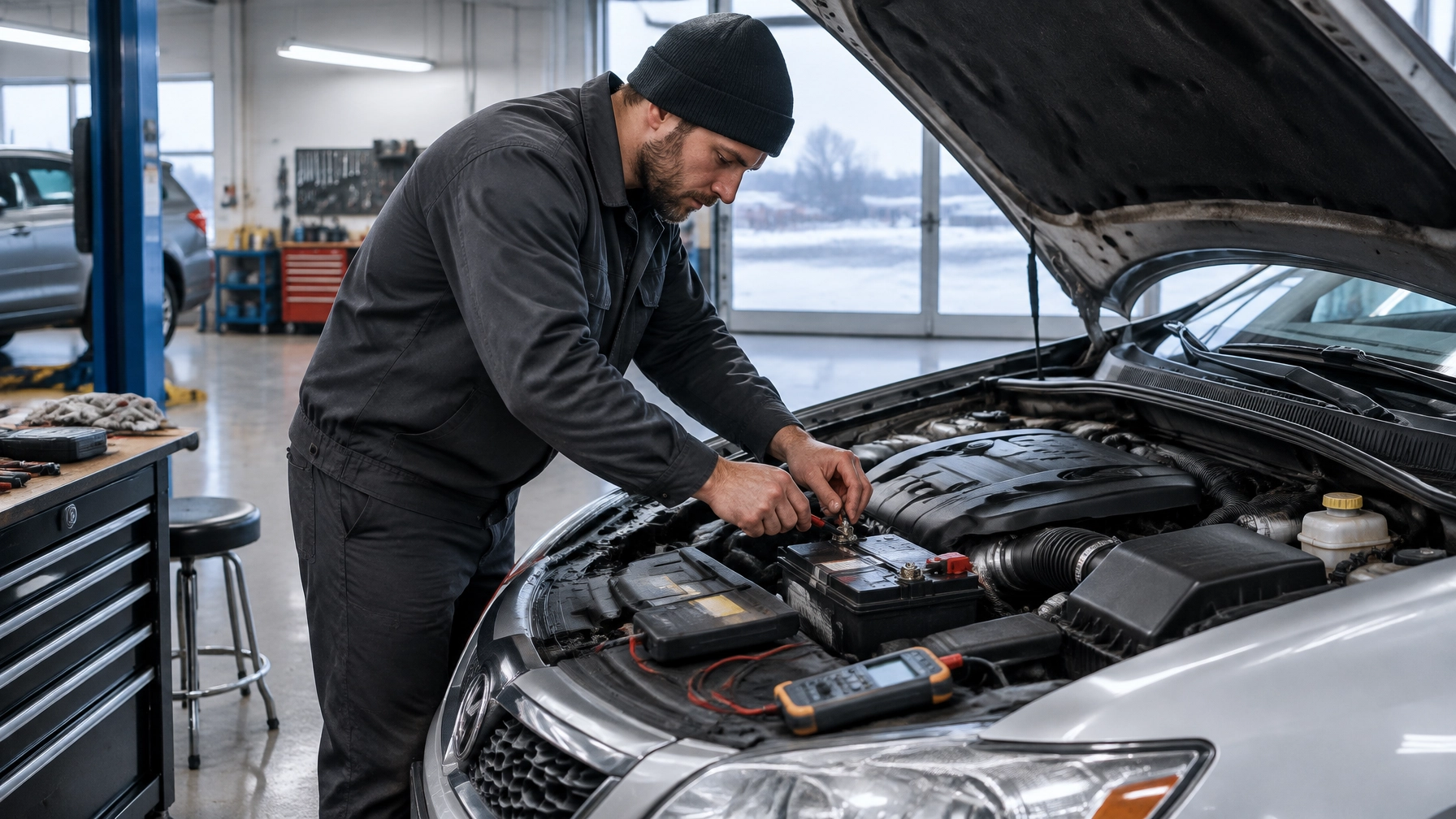
A machine that worked perfectly last fall may not start reliably after sitting through winter and summer. Before harvest, clean corrosion from battery terminals and make sure the connections are tight.
Then inspect:
- Battery charge and starting strength
- Battery cables for cracks or loose ends
- Wiring harnesses for rubbing, exposed wires, or heat damage
- Connectors and plugs for moisture or corrosion
- Fuses, switches, and control-panel connections
- Headlights, flashers, brake lights, and work lights
- Slow-moving vehicle emblems and reflective markings
Rodents can also damage wiring while equipment is stored. If you find chewed insulation or a warning light that will not clear, do not keep replacing fuses and hoping for the best. An electrical issue that cannot be traced may become a larger problem once the machine is working under load.
Good lighting matters for more than convenience. It helps protect you, your employees, and other drivers when equipment travels between fields before sunrise or after sunset.
5. Inspect Cutting Components and Wear Parts
Worn cutting and harvesting components can reduce performance, increase crop loss, and place extra strain on the rest of the machine.
On combines, headers, mowers, and similar equipment, inspect:
- Sickle sections and guards
- Cutter bars and knife drive components
- Gathering chains and sprockets
- Feeder-house chains and slats
- Rotor rasp bars and concaves
- Chopper knives
- Auger flighting and edges
- Skid plates, shoes, shields, and guards
Replace bent, broken, missing, or severely worn pieces. A damaged chopper knife can create vibration, while a dull or misaligned cutting component may cause plugging and uneven crop flow.
Also check that all protective shields are installed and secure. A missing guard around a belt, chain, PTO shaft, or fan is not a minor detail. It is a safety risk that should be corrected before operation.
6. Calibrate Your Monitors and Precision Ag Systems
Modern farm equipment depends on sensors, displays, GPS, and guidance systems to help you make better decisions. Take time to verify that these systems are ready before the first pass through the field.
Check and calibrate:
- Yield monitors
- Moisture sensors
- Grain-flow sensors
- Temperature probes
- GPS receivers and antennas
- Guidance displays
- Header-height sensors
- Data-loggers and controller connections
Back up last year’s data and make sure this year’s field names and settings are loaded correctly. A clean setup helps prevent confusion when you are moving quickly between fields.
Calibration procedures vary by equipment and manufacturer. The Case IH pre-harvest combine checkup also emphasizes checking sensors, backing up data, transferring field names, and testing the header before harvest.

If a monitor gives inconsistent readings or a sensor fault will not clear, have it checked before you depend on it for harvest data or machine settings.
7. Do a Full Walkaround With Fresh Eyes
After completing the detailed checks, step back and inspect the whole machine as if you are seeing it for the first time.
Look for:
- Oil, coolant, hydraulic, and fuel leaks
- Loose bolts, missing fasteners, or cracked brackets
- Crop residue around the engine, exhaust, belts, and pulleys
- Blocked air screens, vents, or radiators
- Missing shields and guards
- A charged, accessible fire extinguisher
- Working emergency shutoffs and safety interlocks
- Secure steps, handrails, mirrors, and doors
- Correct tools, spare belts, filters, and common replacement parts
Clean chaff, dust, and dry crop residue from the machine. Buildup near hot engine or exhaust components can increase fire risk. Once the inspection is complete, run the equipment safely without a load and listen for unusual vibration, squealing, grinding, or knocking.
A second person can often spot something you missed. Fresh eyes are valuable when the machine has been in the shed for months.
When Should You Call a Farm Equipment Repair Shop?
Some maintenance is straightforward. Other problems are best handled by an experienced technician: especially when harvest is approaching and every hour counts.
Call a trusted farm equipment repair shop if you notice:
- A hydraulic leak you cannot safely identify or repair
- Transmission or differential noise, slipping, or shifting problems
- Repeated overheating or cooling-system pressure
- Electrical problems you cannot trace
- Persistent vibration from a rotor, chopper, belt, shaft, or bearing
- A machine that loses power under load
- Warning lights or fault codes that return after resetting
- A steering, braking, or tire problem that affects safe travel
- Damage to a major structural component or mounting point
Avoid operating equipment when a leak is spraying, a bearing is getting hot, a belt is jumping, or a machine is vibrating heavily. Continuing to run it may turn a manageable repair into a much larger one.
At D’s Tire & Auto’s Golden City location, our team helps local farmers with farm equipment repair and dependable mechanical service. We are a NAPA certified shop committed to honest recommendations, quality work, and warranty-backed service where applicable. We will explain what we find and help you understand your repair options, so you can make a confident decision without unnecessary pressure.
Get Your Equipment Ready Before the Harvest Rush
A few hours of inspection now can help protect your equipment, your schedule, and your peace of mind when the crop is ready. Use your owner’s manual for exact specifications, keep a record of what you check, and address warning signs before they become field emergencies.
If you are near Golden City, Lamar, Lockwood, or the surrounding southwest Missouri communities, swing by or give our Golden City shop a call at 417-322-6130. We’re ready to help keep your farm equipment rolling through harvest!
And when you need dependable service closer to home, D’s Tire & Auto has five Missouri locations serving customers in Golden City, Willard, Kimberling City, Central Springfield, and North Springfield. We’ve got you covered for the season ahead!